 For growing ecommerce brands
Shopify sells. Odoo runs everything behind it.
Keep your store. Add inventory, purchasing, accounting, and operations — connected in one ERP.

Trusted by +7000 users

What usually breaks when a Shopify business grows
Growth adds orders, channels, and complexity. Apps start breaking before the business does.
Too many apps
Inventory in one tool, accounting in another, shipping in a third. Nothing talks to each other.
Inventory out of control
Oversells, stockouts, and manual reorder guesswork — especially across multiple stores.
Finance disconnected
Orders in Shopify, accounting in QuickBooks. Reconciliation takes days and the numbers are always behind.
Operations hit a ceiling
What worked at 50 orders/day breaks at 500. Purchasing, fulfillment, and reporting collapse under volume.
The answer isn't another app. It's a layer Shopify doesn't have.
Shopify apps fix individual symptoms. An ERP connects the whole operation — inventory, purchasing, accounting, and fulfillment in one place, in real time.
Keep Shopify as your storefront
No migration, no disruption. Your store keeps running exactly as it does today.
Add ERP after the order
Inventory, purchasing, accounting, and fulfillment — in Odoo, synced with Shopify in real time.
One backend for every store
Multiple Shopify stores? One Odoo environment — stock, orders, and reporting centralized.
How Shopify and ERP work together
Keep Shopify as your storefront. Run everything else with ERP.
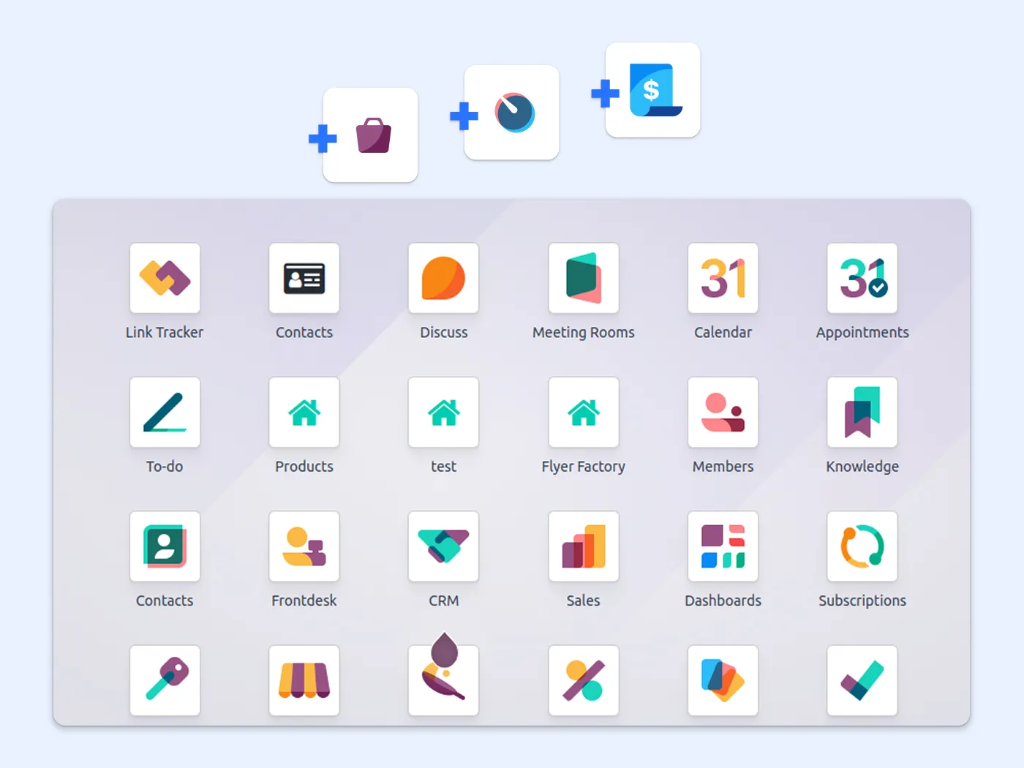
Shopify stays as your storefront. Odoo runs behind it — inventory, purchasing, and accounting connected in real time.
Orders sync automatically to Odoo
Inventory updated across all channels
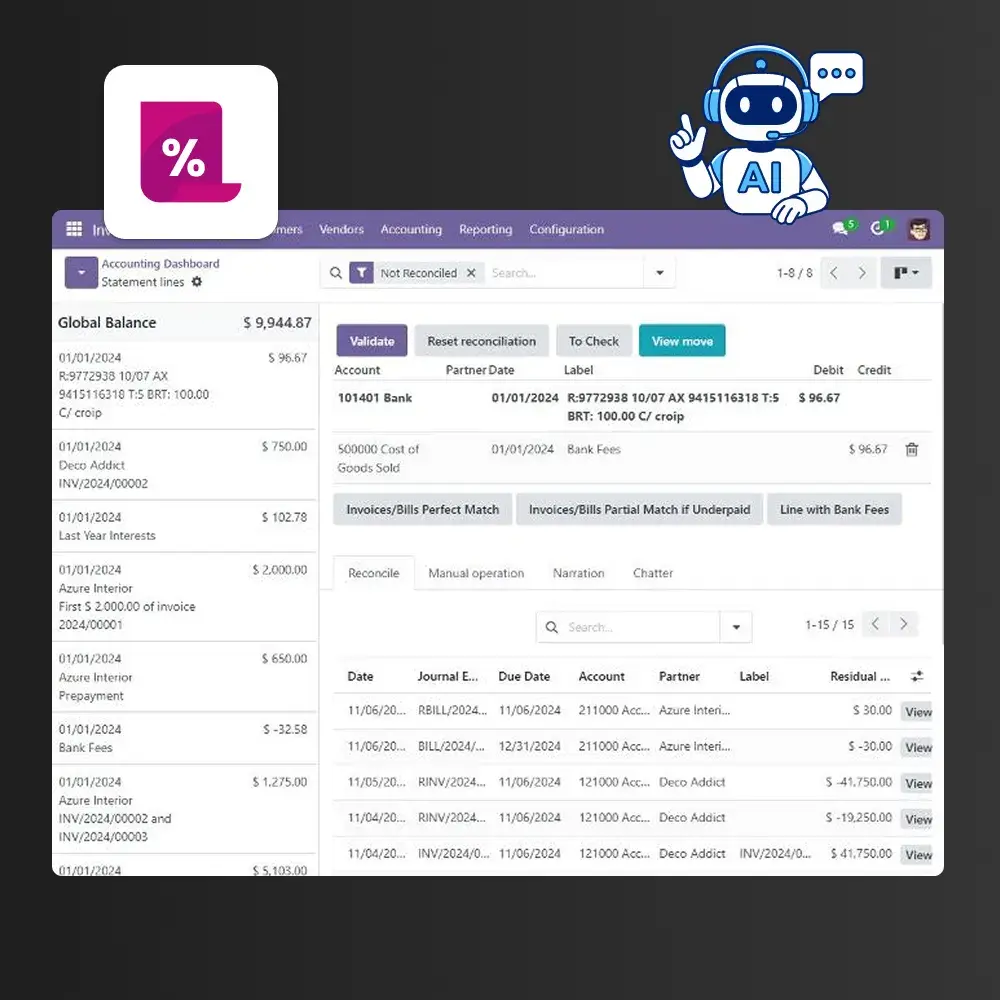
Accounting posted without manual exports
Purchasing triggered automatically on low stock
What is an ERP — and why do ecommerce brands add one behind Shopify?
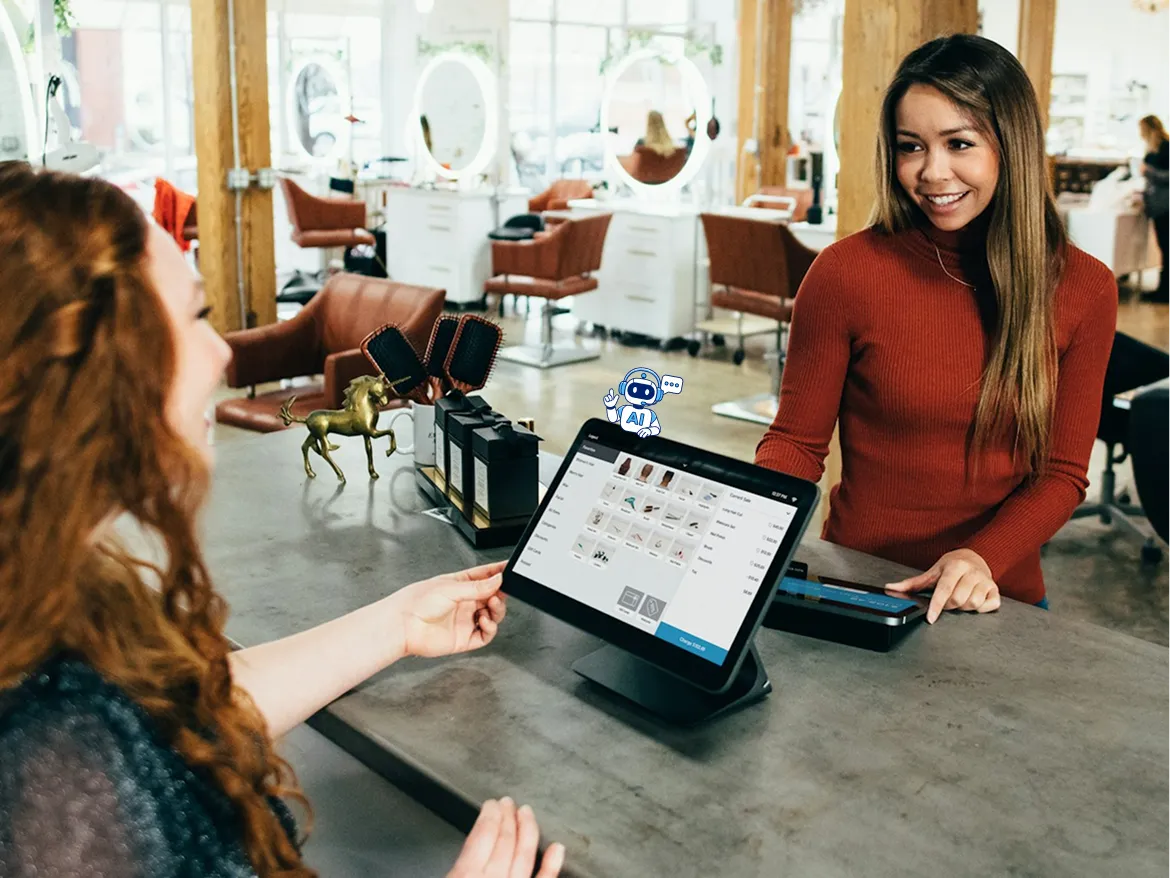
An ERP is the operational core of a business — inventory, purchasing, finance, and fulfillment in one place.
Brands add one when operational complexity outgrows what Shopify apps can handle: too many tools, too much manual work, no unified view of the business.
Ecommerce ERP experience built over 15 years of delivery
Shopify connected to Odoo for retail and ecommerce operations across the US and Spain — from single stores to multi-brand operations.
How many Shopify stores are you running?
Tell us your setup and we'll show you exactly how the ERP connection works for your operation.
Get a
free
consultation
Fill out the form and our specialists will contact you shortly or call us at +34 922 179 267
Questions about Shopify ERP
No. Shopify stays as your storefront. The ERP connects behind it and manages inventory, purchasing, accounting, and operations.
Through a managed connector that syncs orders, products, customers, and inventory between Shopify and Odoo in real time.
Yes. Multiple Shopify stores connect to a single Odoo environment — consolidated inventory, unified accounting, centralized purchasing.
Yes. A Shopify app extends what Shopify does. An ERP is a separate system that runs behind Shopify — outside its ecosystem entirely.
Yes. Accounting moves into Odoo — no more exporting to QuickBooks or reconciling at month end. See the QuickBooks to Odoo migration path.
Also coming from QuickBooks or general SMB chaos?
Many ecommerce brands are also dealing with disconnected accounting and spreadsheets outside Shopify.
Odoo vs QuickBooks
Running Shopify and QuickBooks? See how an integrated ERP compares to standalone accounting software.

ERP for Small Business
Not just Shopify — dealing with spreadsheets, disconnected tools, and no real system? See the SMB ERP path.