ERP COMPARISON
Odoo vs Holded — which platform grows with your business in 2026?
You started with Holded for invoicing and accounting. Now you need CRM, inventory, manufacturing and automation… and Holded is starting to feel tight. Here's a no-nonsense, feature-by-feature look at what Odoo adds, and when it's worth the switch.
See full comparison ↓ Start free with full Odoo
No card needed · Switch from Holded anytime
Trusted by growing businesses from 5 to 500 employees.






Key differences between Odoo and Holded
Both are solid platforms. The difference is how far each one takes you as your business grows.
Pricing model
Holded charges per user and bills inventory or manufacturing as paid add-ons. Odoo (Binhex) has no per-user or per-module fees — you pay for the platform, not headcount.
Operations depth
Holded covers accounting, invoicing, CRM and projects very well. Odoo connects those plus deep inventory, manufacturing, purchasing and operations in one system.
Scalability and AI
Odoo is open source and modular, with AI agents built in — it adapts as you add users, locations or workflows. Holded is simpler to start but more rigid as you scale.
Odoo vs Holded — feature by feature
An honest, direct comparison across what matters most for growing businesses. Where Holded is strong, we say so.
Feature |
Odoo (Binhex) |
Holded |
|---|---|---|
| Invoicing & accounting | Built in | Built in — a real strength |
| Verifactu (Spain compliance) | Built in | Built in |
| Integrated CRM | Full pipeline to invoice | Included |
| Projects & time tracking | Full project profitability | Included |
| Inventory management | Real-time, multi-warehouse | Paid add-on (from 25€/mo) |
| Manufacturing / MRP | BoM, work orders | Paid add-on (from 25€/mo) |
| Workflow automation | Across all modules | Mainly invoicing/accounting |
| AI assistant / agents | Embedded ERP copilot | Accounting AI only |
| Manufacturing-grade purchasing | Fully integrated | Basic |
| Multi-currency | Native | Included |
| Multi-company | Native, consolidated | One company per account |
| Custom developments | Open source, unlimited | Closed platform |
| Per-user pricing | No per-user fees | Per user (extra from 10€/mo) |
| Open source / no lock-in | Full ownership | Closed platform |
| Scalability (5 → 500+ users) | Same platform throughout | Best for smaller teams |
| Ease of getting started | Guided by Binhex | Very easy, fast setup |
Included Limited or paid add-on Not available
Start free with full Odoo How we migrate you from Holded
Already decided? See our how to migrate from Holded to Odoo.
Where the platforms diverge most
Holded charges per user. Odoo doesn't.
In Holded, extra users add to your monthly bill (from 10€/user), and capabilities like inventory or manufacturing are paid add-ons on top of your plan (from 25€/month each). With Binhex you pay for the platform and add whoever you need. Your cost stops growing at the pace of your headcount.
Holded covers the basics well. Odoo runs the whole business.
Holded is strong at accounting, invoicing and getting a small team organised. But as you add deep inventory, manufacturing, purchasing or complex operations, you start stacking modules and tools. Odoo brings it all together: one system, one source of truth. When a sale closes, inventory updates, the invoice goes out and finance sees it in real time — no manual steps.
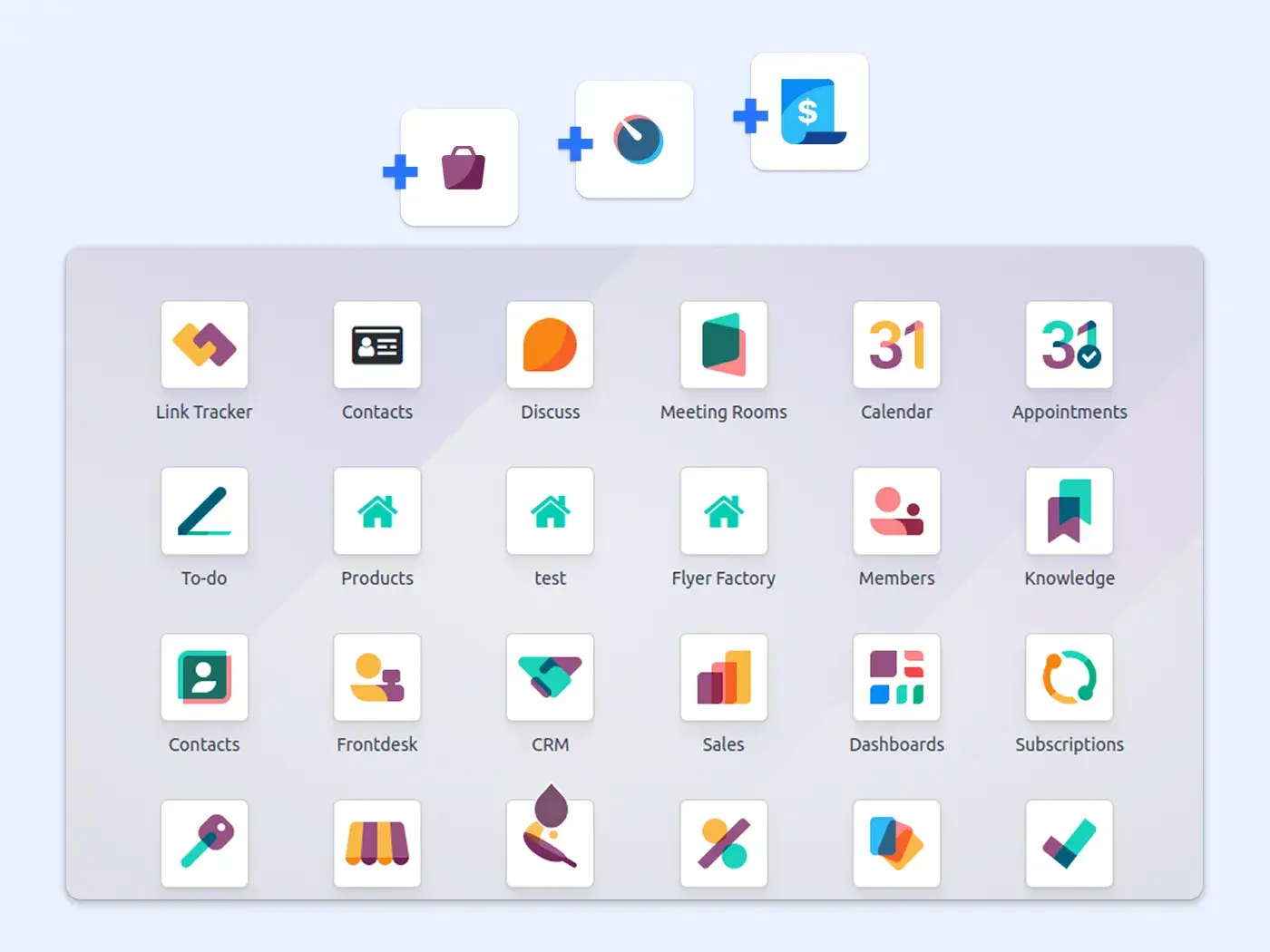
Closed software vs software that adapts to you.
With Odoo open source you are not locked in: it moulds to how you work and grows without plan ceilings. And with Binhex's built-in AI you automate the repetitive work — AI agents read your actual ERP data and act inside your workflows. You decide how you work.
When moving from Holded to Odoo makes the most sense
Expanding teams and operations
You need CRM, sales, finance, and inventory connected in one system as your business and team grow.
Inventory, manufacturing or automation
You want deep stock control, production or automated workflows without paying for each module as a separate add-on.
Compliance and long-term growth
You need Spain-ready compliance, Verifactu support, and a platform that evolves with integrations and custom workflows.
Ready to move from Holded to Odoo with Binhex Cloud?
See exactly how we handle the migration — scope, data, and go-live support included.
Questions about Odoo vs Holded
Holded is built around accounting and invoicing, with CRM and projects included and inventory or manufacturing available as paid add-ons. Odoo is a full ERP that connects finance, CRM, inventory, manufacturing, operations and automation in one system, with no per-module or per-user fees. Holded works well to get started. Odoo is designed for businesses that need everything connected as they grow.
Holded charges per user per month and several capabilities such as inventory or manufacturing are paid add-ons. Binhex Workspace is built on Odoo Community with no per-user licensing. You pay for infrastructure and support, not headcount or modules — significantly more cost-effective as your team grows. See our pricing.
Yes. Odoo Community with OCA modules supports Verifactu requirements. Holded also includes Verifactu in its plans, so both platforms cover Spanish fiscal compliance. The difference is that Odoo gives you a broader ERP foundation alongside it. See our Verifactu offer.
Yes. Binhex offers a free plan built on Odoo Community to validate the platform before committing to a larger setup. See pricing and plans.
Binhex handles the full migration: discovery, data mapping, configuration, testing, and go-live support. Both systems can run in parallel during validation, so there is no operational downtime. See our Holded to Odoo migration service for the full process.
It depends on your needs. Holded is a great fit if you mainly need invoicing, accounting and basic CRM or projects, with a small team. Odoo is better if you need deep inventory, manufacturing, advanced automation, AI, multi-company, or if you plan to scale to a larger team without paying per user. The comparison table above shows the exact differences.
Yes. Accounting, invoicing, projects, expenses, budgeting and CRM are all built into Odoo — the same areas Holded covers. On top of that, Odoo adds deep real-time inventory, manufacturing, multi-company support, advanced reporting and AI agents within the same platform and without per-module fees.
Typically between 4 and 12 weeks, depending on the volume of data and the modules involved. We keep both systems running in parallel during validation, so there is no operational downtime.
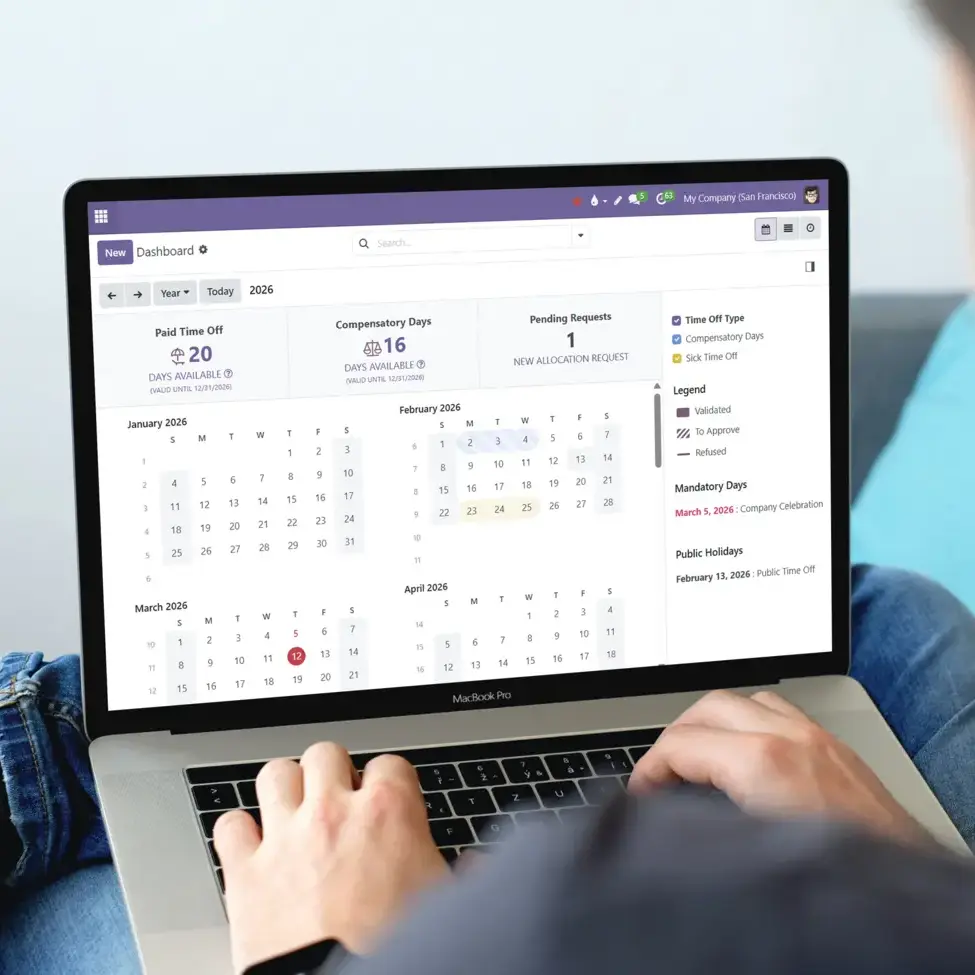
Holded is known for a very easy, clean interface, and that is a genuine strength. Modern Odoo also has a clean, modular interface where users only see the apps they actually use. Most teams coming from Holded are productive within 2 to 3 weeks. The learning curve exists because Odoo does more, but it is not steep.
Technically yes, through integrations, but it defeats the purpose. The main advantage of Odoo is that every department works from the same data. Most customers fully replace Holded during the first phase of the migration.
Keep exploring

Holded to Odoo migration
Already decided? See how we handle the migration — scope, data, and go-live support included.

Data Migration Service
Move your data from Holded, Excel, SAP, or any legacy tool — cleanly and safely into Odoo.
Odoo ERP for Spain
Spain-ready ERP with Verifactu, local compliance, and support from Binhex teams in Madrid, Málaga, and Las Palmas.