For years, traditional ERP systems have been the standard in business management. However, technological evolution and new market needs have driven the growth of cloud-based ERP systems.
Today, companies are no longer just looking to digitize processes, but also to gain flexibility, visibility and growth capacity.
What is a traditional ERP?
A traditional ERP system runs on local servers within the company.
Main features
- Own infrastructure
- Manual updates
- Limited access
- High-tech maintenance
What is a cloud ERP?
A cloud-based ERP system operates on cloud infrastructures accessible from anywhere.
Solutions like Binhex Cloud allow you to centralize operations without depending on physical servers.
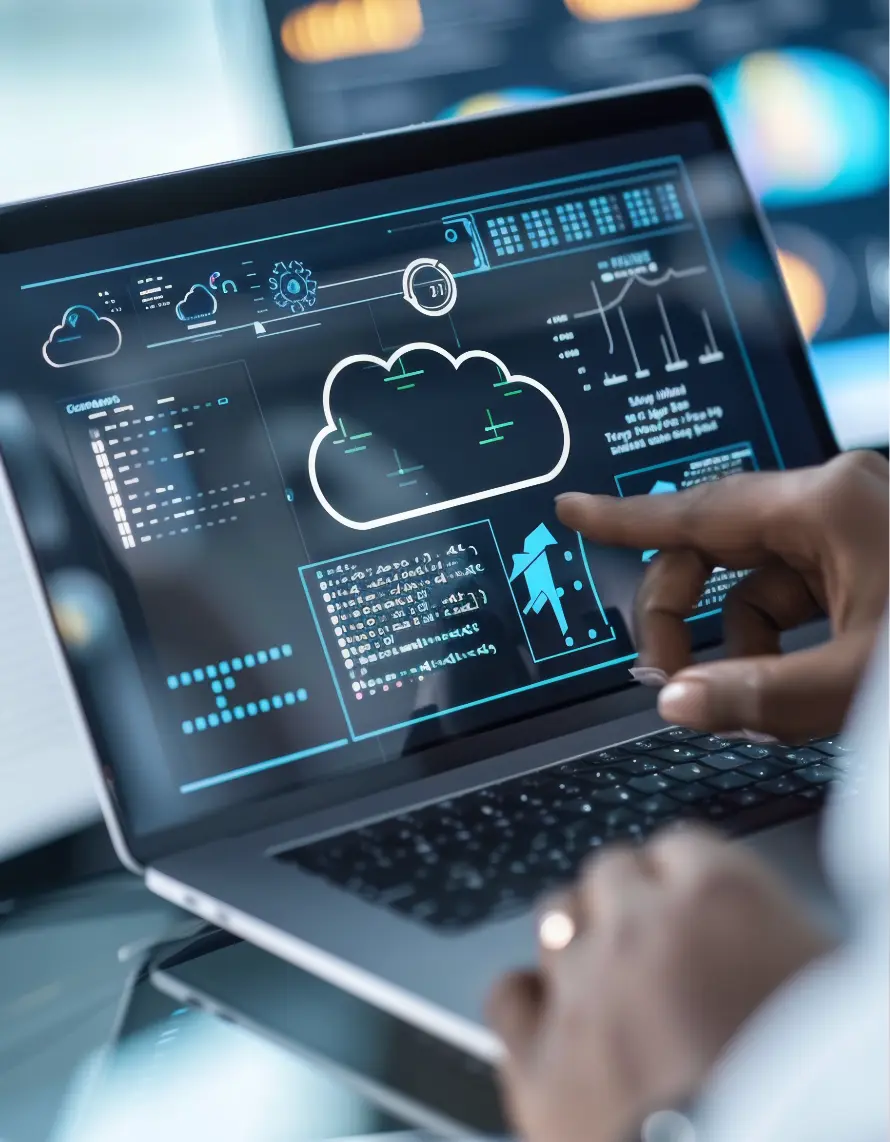
Main differences between cloud ERP and traditional ERP
Accessibility
The cloud-based ERP system allows for remote access and real-time collaboration.
Scalability
Cloud-based ERP grows with the business without the need to reinvest in infrastructure.
Operating costs
The cloud model eliminates high initial investments.
Updates
Cloud systems are constantly evolving without interruption.
When a traditional ERP may be sufficient
May be valid in organizations with:
- Very stable operations
- Low need for growth
- Consolidated proprietary technological infrastructure
Why are companies migrating to cloud ERP?
Cloud ERP allows:
✔ Adapt to changing markets
✔ Centralize business information
✔ Optimize operating costs
✔ Facilitate digital transformation

How Binhex Cloud Redefines Modern ERP
Binhex Cloud combines:
✔ Scalable cloud architecture
✔ Model without restrictive licenses
✔ AI Integration
✔ Open source flexibility
Discover all the benefits
Talk to an expert and we'll explain all the advantages and possibilities of a cloud-based ERP.
Cloud ERP vs. Traditional ERP