Introduction
Over the last years, Odoo has positioned itself as one of the fastest-evolving ERP platforms in the market.
Its strategy is clear:
- Continuous investment in R&D
- Rapid release cycles (new version every year)
- Strong focus on SMB adoption
- Easy customization through tools like Studio
This combination has made Odoo highly competitive and accessible compared to traditional ERPs.
However, this same speed introduces a structural challenge.
The faster your ERP evolves, the harder it becomes to keep up, unless your system is designed for it.
Odoo’s Growth Strategy: Innovation at Speed
Odoo has made a clear bet: move fast and make ERP easier to adopt.
This shows in:
- Frequent new versions with real improvements
- Continuous feature expansion
- Simplified user experience
- Accessible customization via Odoo Studio
For many companies, this is a major advantage.
But it also creates a gap between adoption and long-term sustainability.
The Hidden Challenge: Keeping Up with Odoo
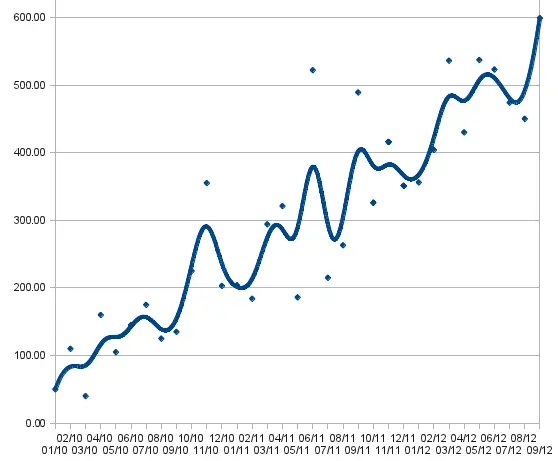
Odoo releases a new major version every year.
While this drives innovation, it also means:
- Systems become outdated quickly
- Customizations break over time
- Upgrades become more complex
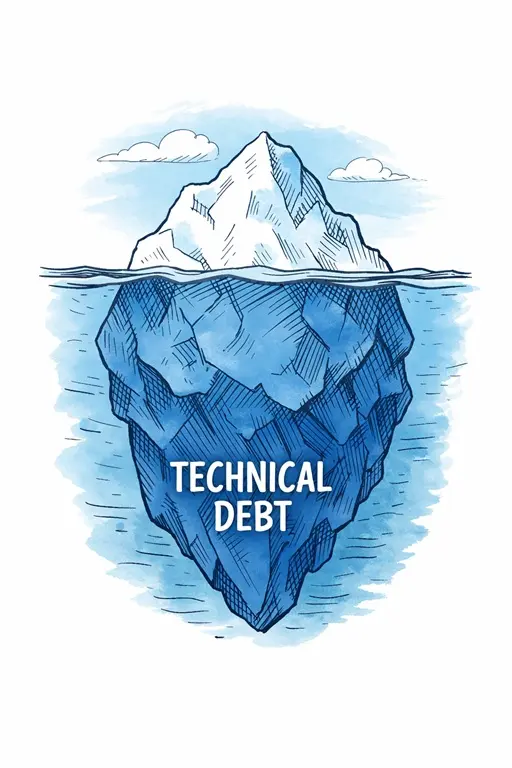
- Technical debt accumulates
This is especially true when:
- Studio is heavily used
- Custom modules are not designed for upgrades
- There is no maintenance strategy
The more a system grows without structure, the harder it becomes to evolve.
Updates vs Upgrades: A Critical Distinction
A common misunderstanding is the difference between updates and upgrades.
Updates (continuous changes):
- Frequent (even daily)
- Bug fixes and small improvements
- Delivered by Odoo and the Odoo Community Association
- Low impact
Upgrades (version changes):
- Moving from one major version to another (e.g., v14 → v18)
- Structural changes in data, logic, and modules
- Require planning and validation
Updates are incremental. Upgrades are transformational. Adopting Odoo is relatively easy. Maintaining it over time is not.
This creates a tension:
- Short-term: implement fast and customize
- Long-term: maintain, evolve, and upgrade
Most companies optimize for the first, and underestimate the second. The real complexity of an ERP is not implementation, but evolution.
✽ To understand migrations properly, you need to separate three stages:
ERP Is Not a Project. It’s a Lifecycle
ERP Implementation
Initial setup to launch your ERP and start operations
- Initial setup
- Configuration
- First customizations
- Go-live
ERP Evolution
Keeping your system stable, upgradeable, and aligned over time
- Version upgrades (migrations)
- Refactoring custom code
- Adapting processes
- Maintenance and system stability
Discover Odoo Migration Services
ERP Automation and AI
Enhancing your ERP with AI, automation, and new capabilities
- New integrations
- Implementation of AI capabilities
- Business process automation
- Workflow optimizations
Explore Odoo Automation & AI Solutions
The Role of Open Source and the OCA Ecosystem
The Odoo Community Association plays a key role in building sustainable Odoo environments. Instead of relying on isolated custom code, it promotes reusable modules, peer-reviewed quality, standardized development practices, and an upgrade-ready design approach.
This has a direct impact on the system over time, migrations become easier, maintenance effort is reduced, and technical debt is kept under control. The closer your system is to OCA standards, the easier it is to evolve.
Support the Open Source Ecosystem Behind Odoo
The sustainability of the Odoo ecosystem depends heavily on community collaboration.
Organizations like the Odoo Community Association help maintain, review, improve, and migrate thousands of community modules used by companies around the world.
If your business benefits from Odoo Community or OCA projects, consider supporting the ecosystem through sponsorships, memberships, or direct crowdfunding contributions.
Supporting the OCA helps fund development, maintenance, events, infrastructure, documentation, and long-term sustainability for the entire community. Support the ecosystem directly here:
Support the OCA Crowdfunding Campaign

Why Odoo Migrations Fail
Most migrations fail due to accumulated complexity.
Common issues:
- Uncontrolled customizations
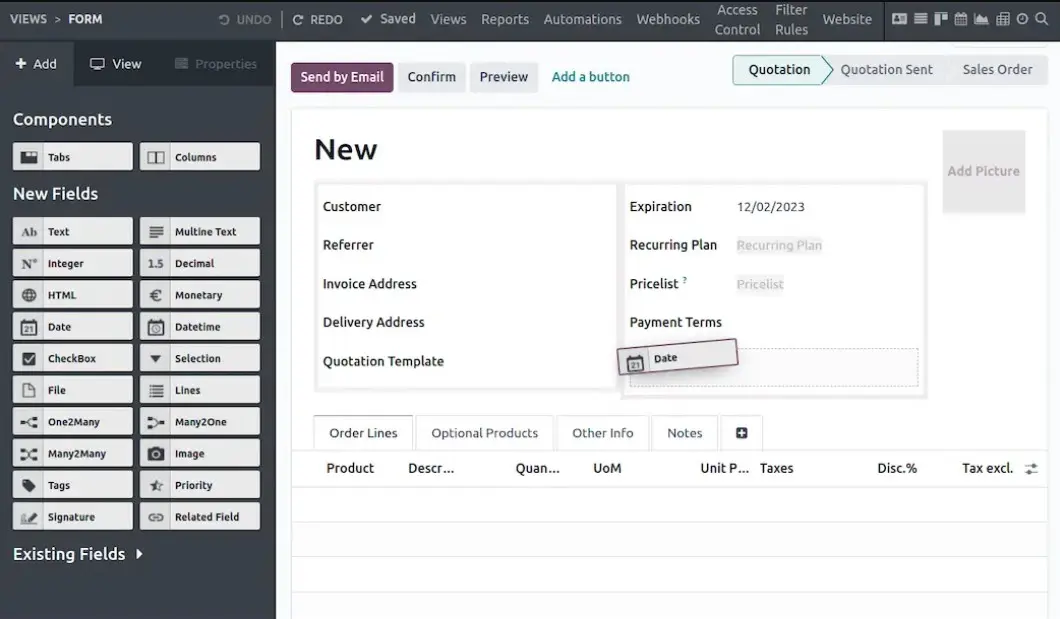
- Overuse of Studio
- Lack of documentation
- Fragile integrations
- No maintenance strategy
Migration doesn’t create problems, it exposes them.
✽ The key principle: Simplify before you migrate
How to Approach an Odoo Migration Strategically
Remove Unnecessary Customizations
- Eliminate unused features
- Remove duplicated logic
- Keep only what adds real value
Re-align with Standard Workflows
- Re-evaluate processes
- Adopt standard Odoo features where possible
- Avoid forcing legacy behavior
Prioritize OCA Modules
Odoo Community Association modules are:
- Upgrade-ready
- Community-maintained
- Designed with long-term sustainability
Be Careful with Marketplace Modules
Many third-party modules:
- Lack migration support
- Are not maintained
- Introduce hidden risks
If a module cannot evolve, it will eventually block your system.
Contribute Back When You Customize
- Align developments with OCA standards
- Contribute improvements
- Build upgrade-ready modules
This reduces long-term cost and improves quality.
Avoid Over-Reliance on Studio
Odoo Studio is useful early on, but:
- Hard to version-control
- Difficult to migrate
- Limited transparency
Structured development is more sustainable.
Migration vs Reimplementation: What’s the Right Choice?
Not every system should be migrated as-is. The right approach depends on how your current ERP has evolved.
-
Clean system (standard + OCA):
Migration is usually straightforward and cost-effective. -
Moderate customization:
A hybrid approach works best, migrate core data and redesign specific areas. -
Heavy customization or technical debt:
Partial reimplementation is often safer, keeping only the data and rebuilding the system with a cleaner architecture.
In many cases, the optimal path is not a full migration or a full rebuild, but a controlled redesign on top of migrated data, reducing complexity while preserving what matters.

Final Thoughts: Migration as a Strategic Capability
Odoo’s strength is its speed.
To benefit from it, your system must evolve at the same pace.
That requires:
- Discipline in customization
- Strong maintenance practices
- Alignment with open source
Migration is not a one-time project. It’s a capability your organization needs to build.
Talk to an Odoo Migration Expert
If you’re running an older Odoo version or planning your next upgrade, the right approach can make a significant difference.
We help companies:
- Assess their current system
- Simplify and prepare for migration
- Execute upgrades using proven frameworks
- Build long-term sustainable environments
Explore:
ERP Implementation Migration Services Support and Maintenance
Odoo Migration Strategy: Lessons Learned to Upgrade Safely