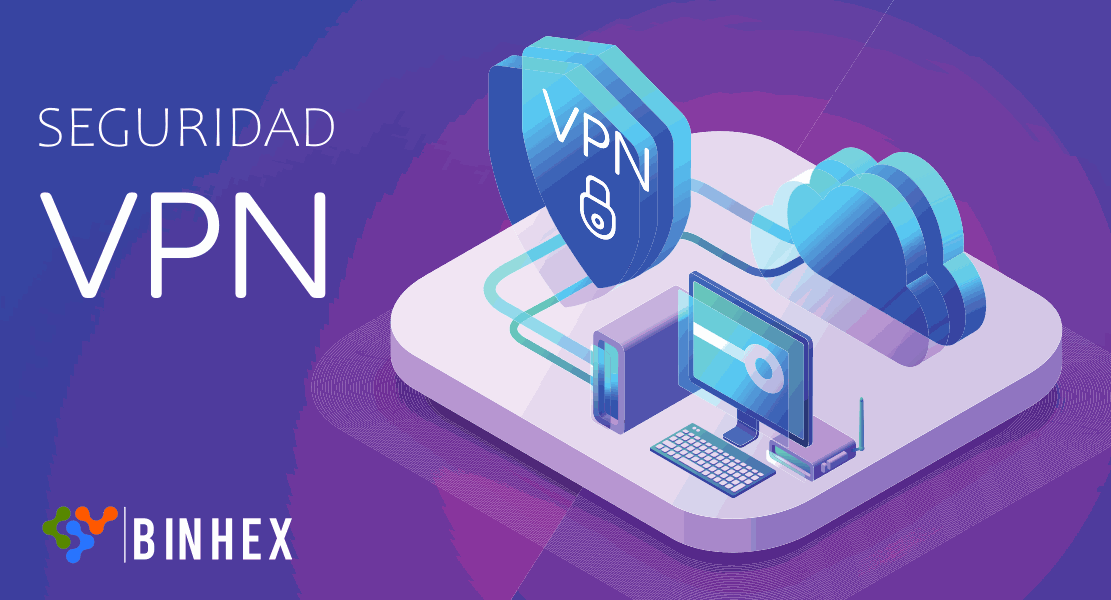
Why use a VPN?
We face the need that companies currently have for
In a private virtual tunnel, communications are encrypted, and this has many advantages.
There are different types of VPNs; some encrypt the traffic between your device and the internet, while others encrypt it end-to-end. Encryption prevents third parties from intercepting, listening to, or manipulating the communication. This way, we can guarantee the confidentiality and integrity of the data. Furthermore, servers can verify our authenticity; that is, only users with a digital certificate can use and access the VPN.
When setting up a VPN server, it's technically possible to use it as a CA (Certification Authority). However, this is not recommended, as it exposes the VPN to certain security vulnerabilities.
According to the official OpenVPN documentation, you must install your CA on a separate machine dedicated to importing and signing certificate requests.
We understand the temptation to install remote control software like TeamViewer or AnyDesk on your computers. However, it's important to note that this option violates GDPR for several reasons. You're using providers with whom you don't have a third-party contract outlining their commitments and obligations, and you don't know if their security measures comply with the regulations.
Above all, it opens the possibility of having backdoors in our systems that lead to unwanted access (even by the developers of those applications themselves), and even to losing control over when and how our employees access them, among other problems.
Connect to your business securely with a VPN.
Connect securely with a VPN.