The retail sector is dynamic, competitive, and highly dependent on inventory, product turnover, and customer experience. In an environment where every minute counts, managing physical stores, eCommerce, warehouses, and finances with disconnected systems is no longer viable.
A retail ERP allows you to integrate sales, inventory, purchasing, logistics, and accounting into a single platform, offering real-time visibility of the entire business.
Today, having an ERP is not just an operational improvement, but a strategic tool to optimize margins, improve customer experience, and scale with control.
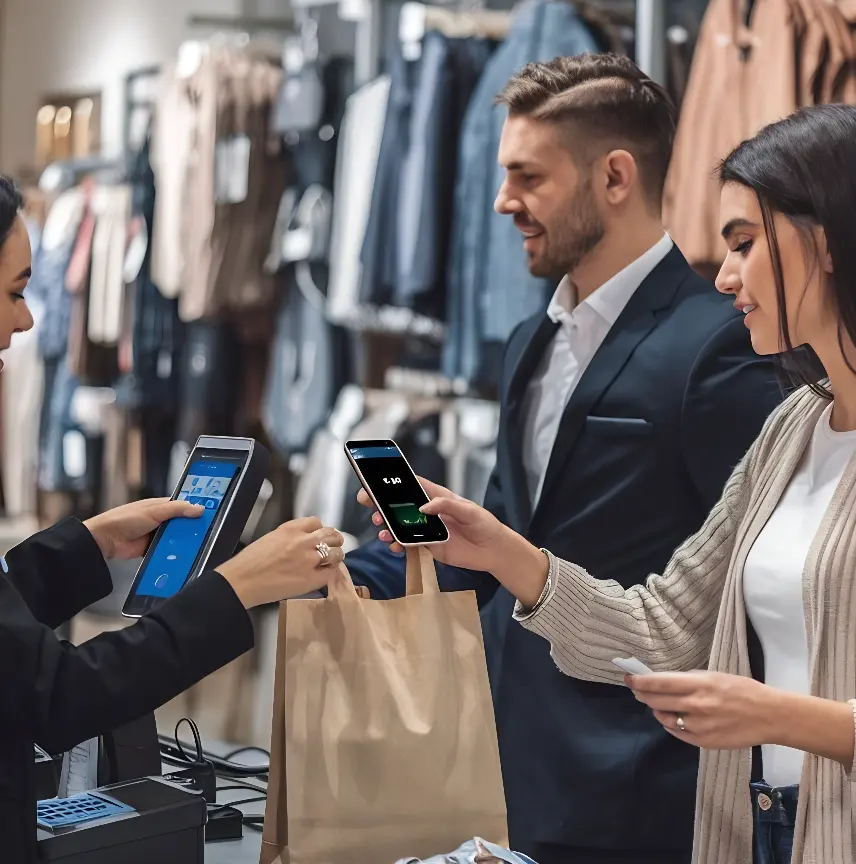
Common challenges in retail companies
Many companies in the sector face challenges that directly affect their profitability:
❌ Lack of real-time inventory visibility
❌ Out of stock or overinventory
❌ Difficulty integrating physical store and eCommerce
❌ Scattered or poorly analyzed sales information
❌ Manual processes in replenishment and purchasing
These problems lead to lost sales, excess immobilized inventory, and decisions based on incomplete information.
Key functionalities of an ERP for retail
An ERP for retail must adapt to the speed and complexity of the commercial sector.
Centralized inventory management
Real-time stock control by store, warehouse, or online channel. This allows you to prevent stockouts, optimize replenishment, and reduce excess inventory.
Point of Sale (POS) Integration
Direct connection between physical sales and the central system, automatically updating inventories and finances.
Sales and Customer Behavior Analysis
Reports by product, category, season or location to identify trends and improve business strategy.
Purchase management and automatic replenishment
Automation of purchase orders based on minimum stock levels and demand forecasts.
Integrated financial control
Sales, discounts, promotions and margins connected directly to real-time accounting.

Benefits of an ERP in the retail sector
Implementing an ERP in retail generates an immediate impact:
- Improved inventory control and reduced losses
- Improved product turnover
- Smoother customer experience
- Clear vision of margins and profitability
- Ability to scale new points of sale with a solid structure
The result is a more agile, profitable business, ready to compete in an omnichannel market.
Data-driven retail
An ERP system transforms every sale into strategic information. With real-time data, companies can measure:
- Product rotation
- Margin by category
- Performance per store
- Replenishment efficiency
- Consumer trends
This allows a shift from reactive management to predictive management, aligned with real market demand.
Binhex and the digitization of retail
At Binhex, we support companies in the retail sector in their digital transformation with ERP solutions adapted to the commercial reality.
Our approach:
- Align the system with daily operations
- Integrate physical and digital channels
- Prepare the company to grow with control and visibility
Let's talk...
Binhex helps retail companies optimize inventories, maximize margins, and make decisions based on real data.
ERP for Retail