ERP Consulting & Process Review
ERP Process Audit.
Fix the process before you build the system.
A structured review of your workflows, gaps, and data — before any ERP configuration starts.
Trusted by growing businesses from 5 to 500 employees.





Most ERP projects fail because of bad processes, not bad software.
Configuring an ERP on top of broken or undocumented workflows doesn't fix the problem — it locks it in.
A process audit gives you a clear picture of what works, what doesn't, and what needs to change.

Before an ERP implementation
Understand your operational gaps before committing to scope, modules, or budget. Avoid locking in processes that don't work.
After a failed or stalled ERP
If adoption has dropped or the system isn't being used correctly, start here before making changes or investing in customizations.
Before a major process redesign
Map what exists before redesigning. You can't improve what you haven't documented — and you shouldn't rebuild without a baseline.
What the business process review covers
A structured engagement with defined deliverables. Not a consulting call — a documented output your team can act on.
Workflow mapping
Current state documented — how work actually flows across departments, not how it should on paper.
Gap analysis
What's missing, duplicated, or broken between your current tools and what the ERP needs to support.
Data quality review
Where your data lives, how clean it is, and what needs fixing before any migration or import.
Integration points
External tools, manual handoffs, and connections that need to be considered in the ERP design.
Bottleneck identification
The specific steps causing delays, errors, or manual workarounds across sales, operations, and finance.
Recommendations report
Findings, priorities, and a suggested path forward — delivered as a structured document to your team.
How the audit works
1
Kickoff
We align on scope, departments to cover, and key stakeholders to interview.
2
Discovery
Interviews, workflow walkthroughs, and current system review with your team.
3
Analysis
We document findings, map gaps, and identify priorities across your operations.
4
Report
You receive a structured recommendations report with a clear path forward.
Why run your Process Audit with Binhex
You get a report you can act on.
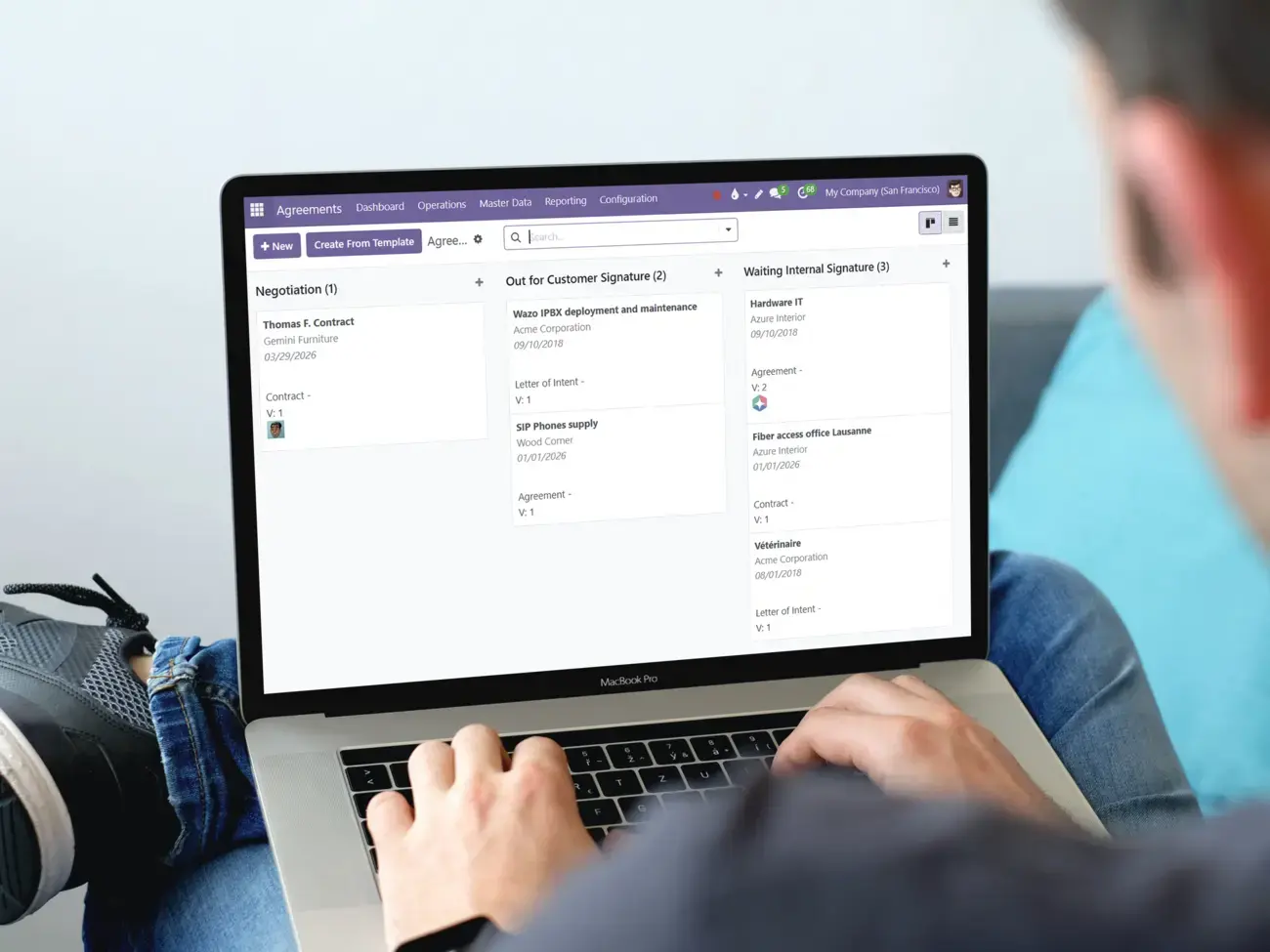
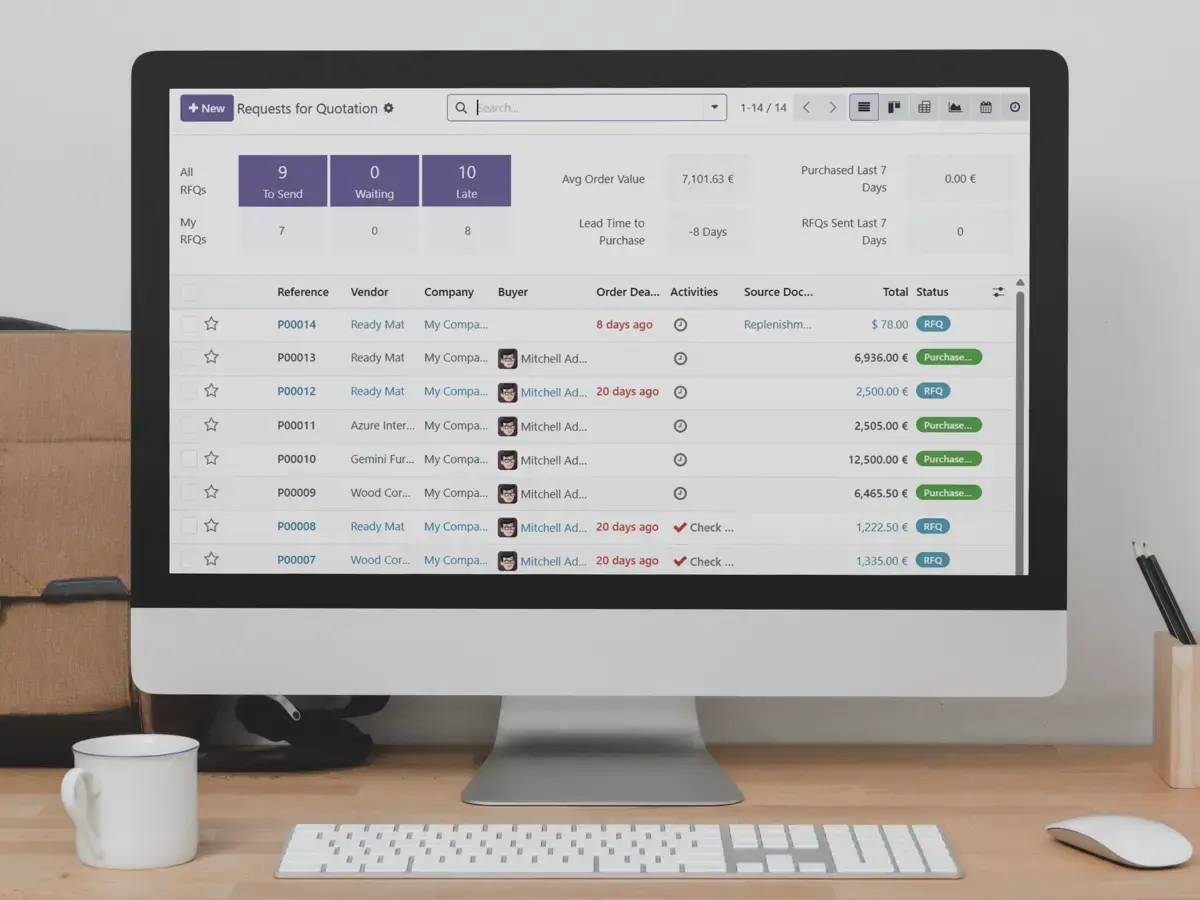
The output of a Binhex Process Audit is a documented deliverable: workflows mapped, gaps identified, recommendations prioritized.
You can use it to scope an ERP implementation, brief an internal team, or simply understand where your operations stand.

What happens after the review.
The recommendations report defines the path. Most businesses use it in one of three ways: scope a full ERP implementation, start small with an ERP Quick Start, or address data quality issues through a structured data migration before going live.
ERP consulting built on 15 years of operational delivery
Binhex has audited and redesigned business processes across multiple industries in the US and Spain. We understand operations from the inside — not just the software layer.
"Before the audit we thought we needed more customization. Turns out we needed better processes. The report saved us months of wrong implementation."
Ready to audit your business processes?
Book a call. We'll define scope and timeline in the first session.

Questions about the Process Audit
Most audits run 2 to 3 weeks from kickoff to delivery of the recommendations report, depending on the number of departments and workflows in scope.
Typically the operations manager or project lead, plus department representatives from the areas in scope — sales, finance, inventory, or others. We schedule sessions to minimize disruption to daily work.
No. The audit works regardless of your current setup — spreadsheets, a legacy system, QuickBooks, or an older Odoo version. We review what exists and what needs to change.
A structured recommendations report with documented workflows, identified gaps, data quality findings, and a prioritized path forward. A deliverable your team can act on independently — no obligation to continue with us.
Not mandatory, but strongly recommended for complex or multi-department operations. It reduces scope risk, avoids locking in bad processes, and produces a cleaner ERP implementation from day one.
Related services
The audit defines the path. These are the services that typically follow.

ERP Quick Start
Audit done, scope clear, and ready to move fast? Quick Start deploys up to 3 core modules in 4 to 6 weeks.

ERP Implementation
For more complex operations that need a full phased deployment — defined milestones, configuration, and go-live support.

Data Migration
If the audit reveals data quality issues or scattered sources, migration handles the move into Odoo cleanly and safely.